Bridging the Gap from Swiping to IRL

Examining signals dating app users rely on to transition from online to offline interactions
By: Becky Berg | Independent Researcher | October 2025 - January 2026
The Problem Space
Dating apps are a common and, for some, a central way of meeting romantic partners.
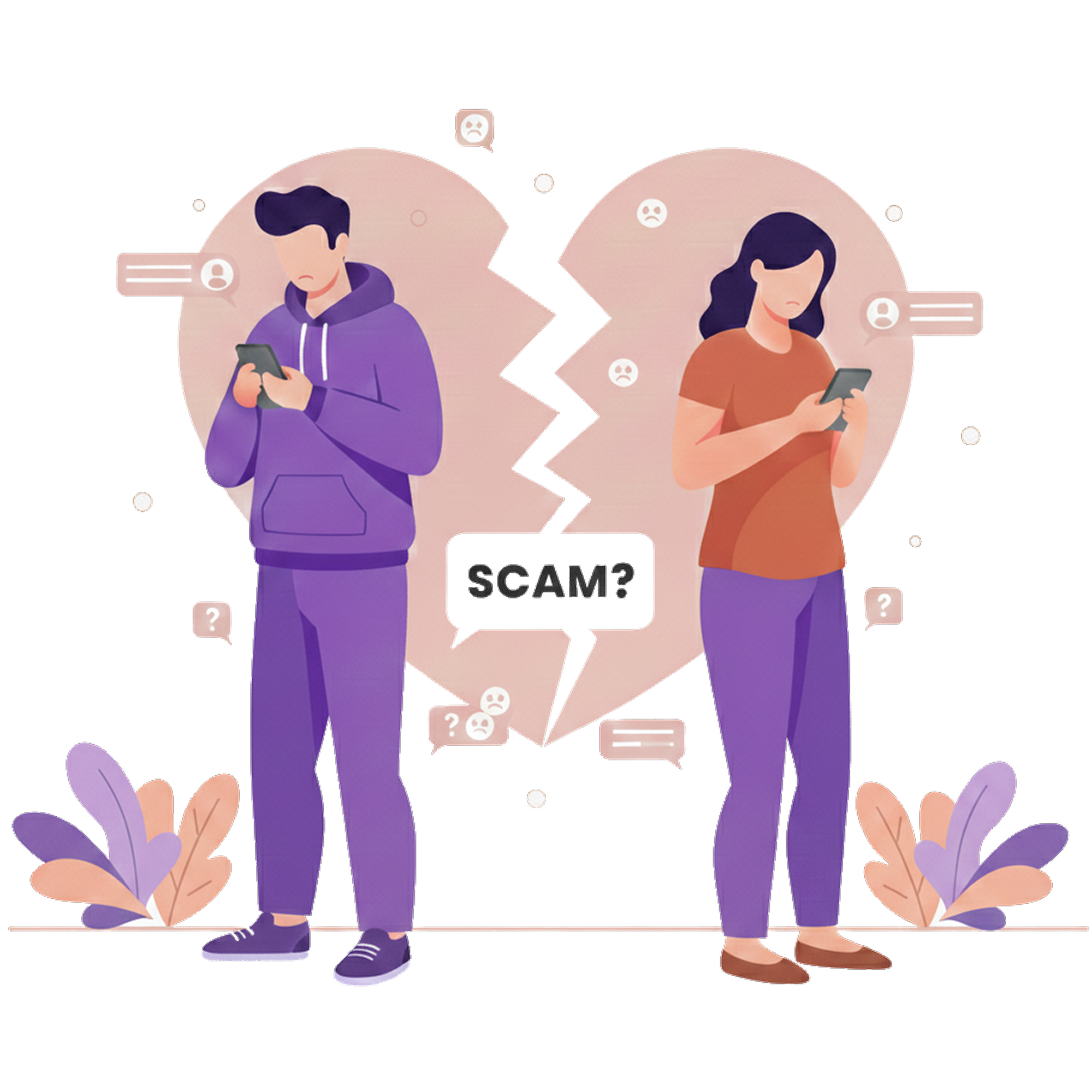
However, a growing population of users has faced uncertainty and distrust while on the apps. According to a Pew Research study on Key Findings about Online Dating in the U.S., 52% of dating app users have encountered someone they believe was trying to scam them.
While navigating the wild terrain of online dating, users are left to assess when it's safe enough to match and meet off the apps.
My Research Question
How do people decide if someone on a dating app seems “real” or “trustworthy” enough to meet in person?
Research Objective
To identify the visual, textual, and behavioral cues that signal trustworthiness and authenticity for dating app users.
Methods
This was a cross-sectional, mixed-methods study.
Select the arrows to explore my methodology in detail.
Participants answered multiple-choice and open-ended questions about safety features, trust cues, and their perceptions while interacting with dating profiles.
Personal messages to friends
Community posts on:
WhatsApp student groups
LinkedIn
Reddit communities
r/PlentyofFish, r/SurveyExchange, r/Bumble, r/dating_advice
18 years or older.
Current or past experience with a dating app.
Google Forms - web-based survey
RStudio - data cleaning and analysis
Quantitative: Means, standard deviations, and fractional percentages.
Qualitative: Thematic analysis, sentiment analysis, n-gram extraction, LDA topic modeling, theme labeling, contrast matrix.
October 2025 to January 2026
Before consenting, participants were informed that:
Participation was risk-free.
They could skip questions or cease participation at any time.
No identifiers would be collected.
Participant Demographics
Note: Percentages are rounded to the nearest whole number.
Age
(M = 27.1, SD = 6.9)
Gender
62% - Women
34% - Men
3% - Non-binary

Total Participants
61

Race/Ethnicity
44% - White/Caucasian
20% - Asian/Asian American
10% - Hispanic/Latino
8% - Black/African American
5% - Middle Eastern/North African

Intent on dating apps
39% - Looking for something long-term or serious
37% - Open to either casual or serious
16% - Just exploring/browsing
5% - Casual/short-term only
3% - Other
Click on the images to expand.
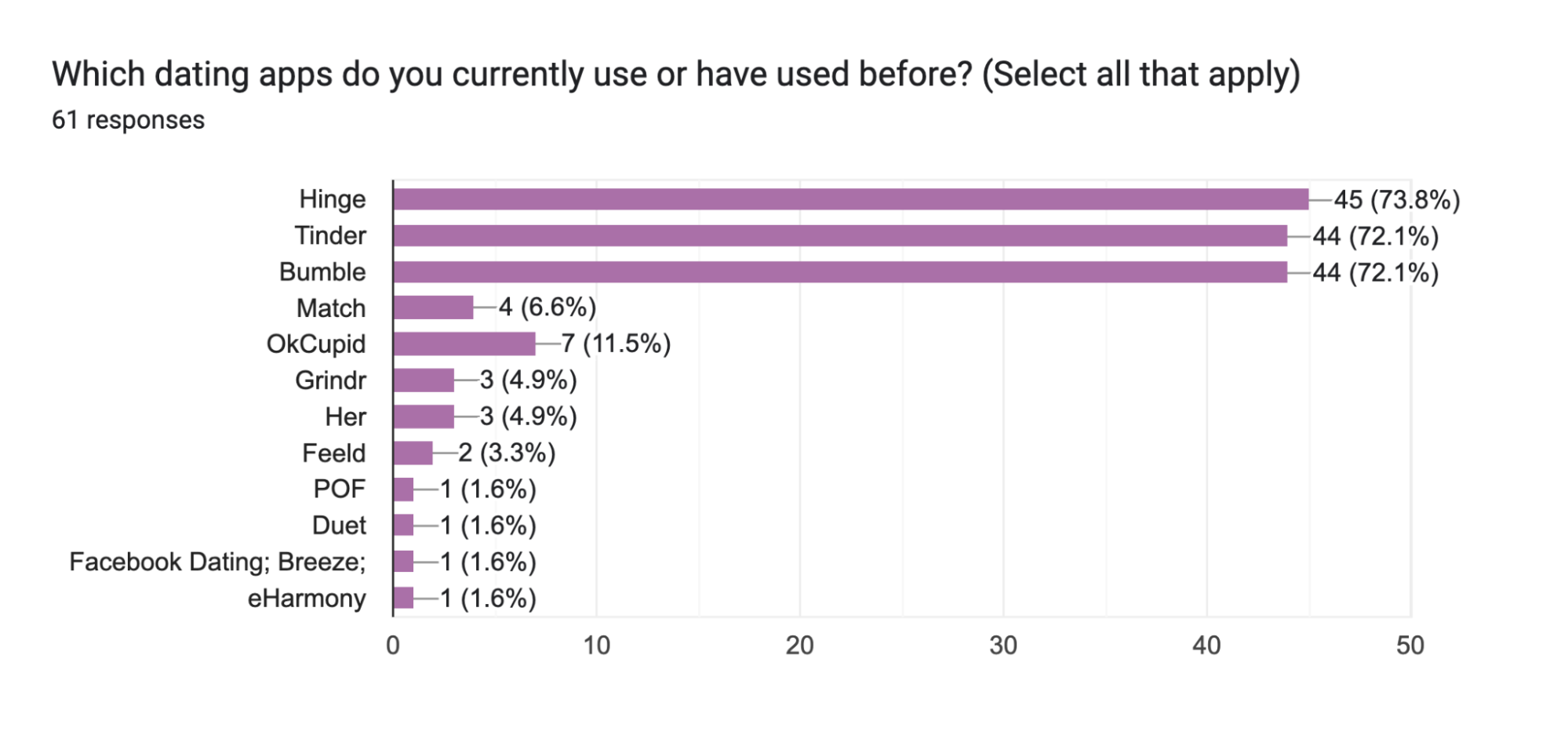
Dating app usage
Hinge, Tinder, and Bumble are the most popular dating apps used among participants.
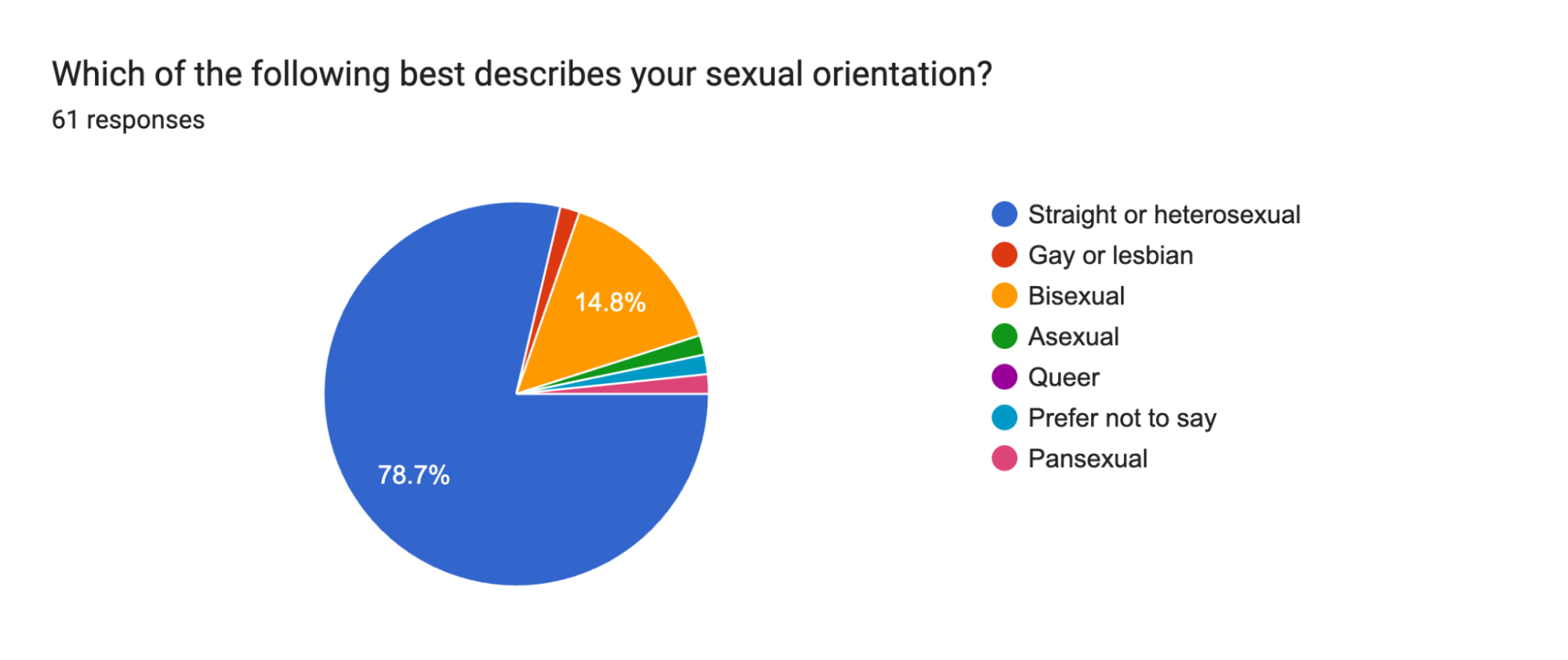
Sexual orientation
Most participants (78.7%) identified as straight/heterosexual.

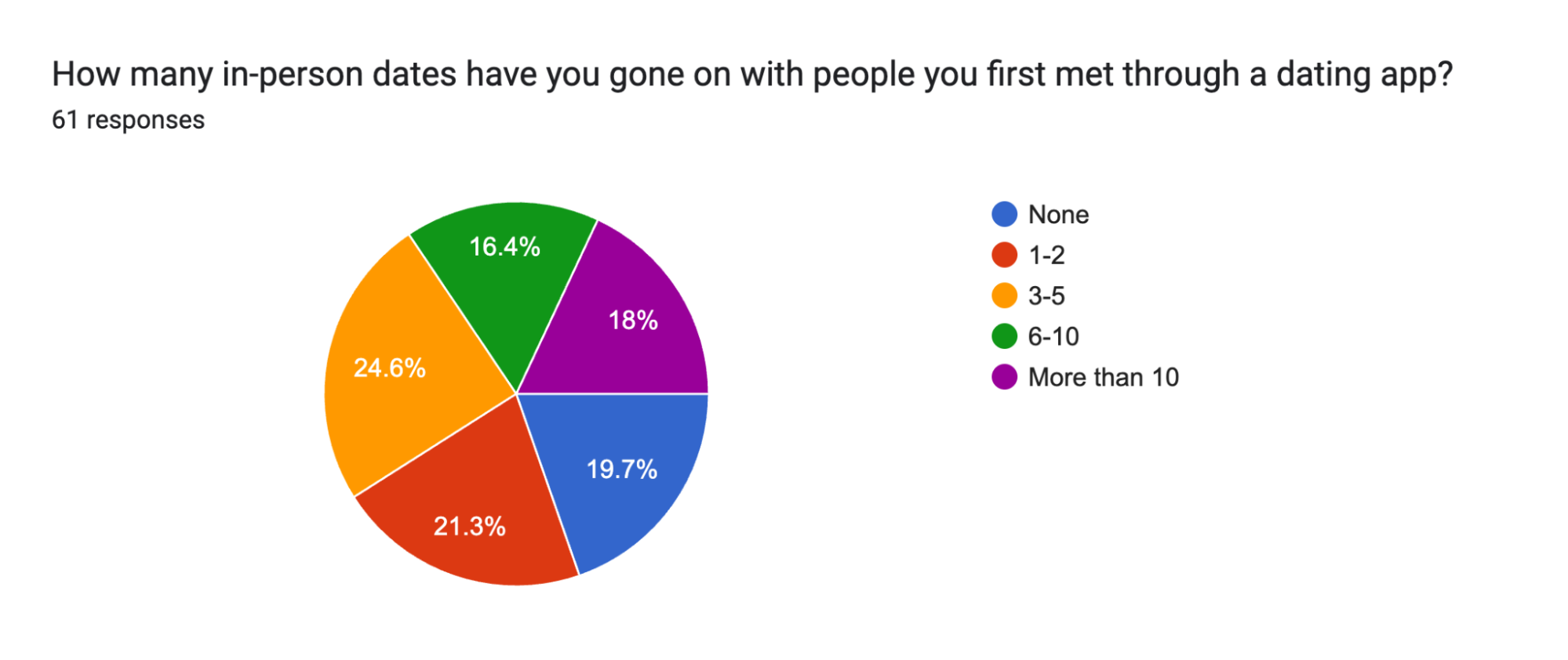
In-person dating experience
Majority of participants (~80%) have transitioned from online to offline interaction, with many reporting multiple in-person dates.
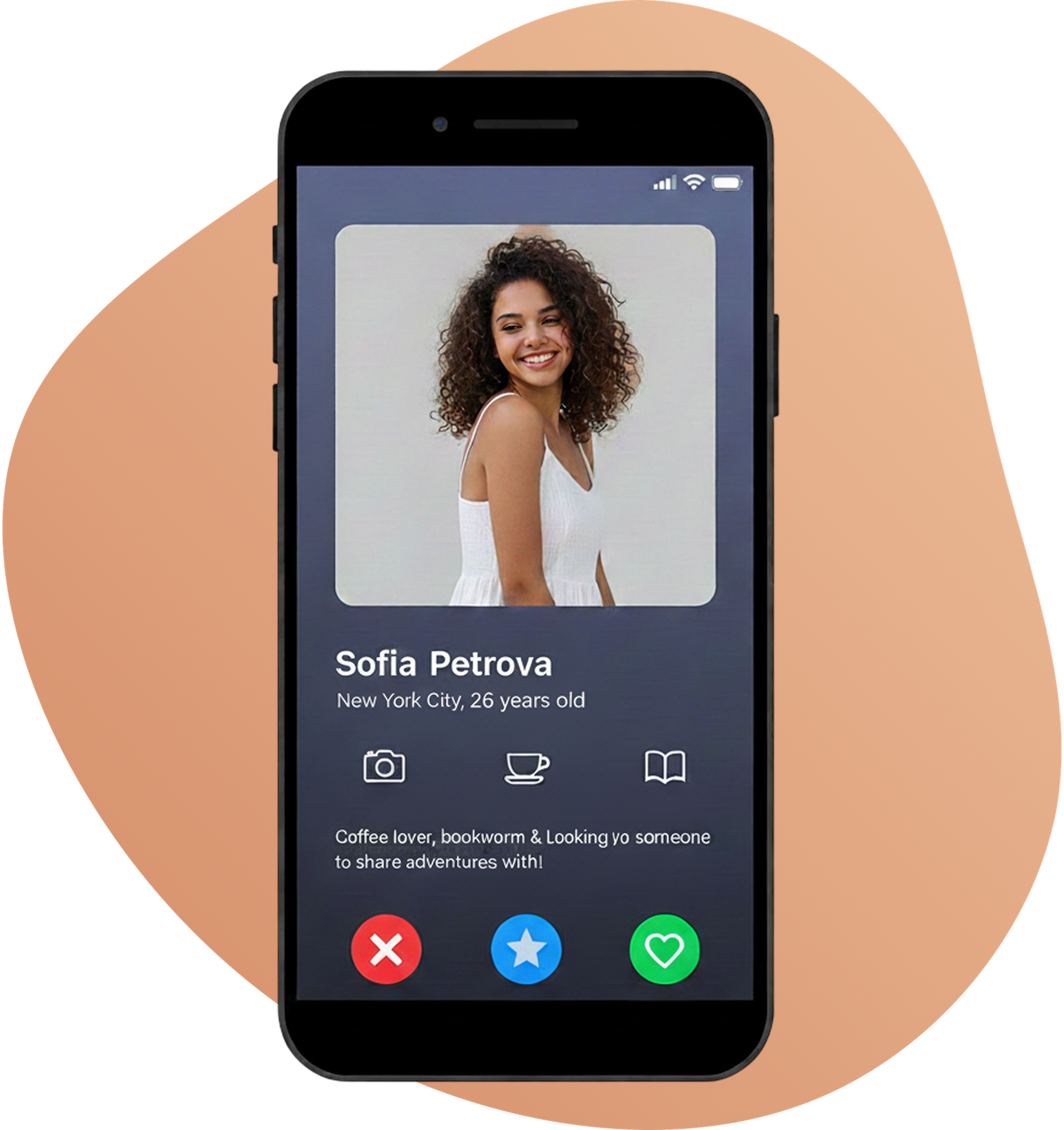
Bridging the Gap from Swiping to Meeting IRL
What a successful progression looks like from swiping online to meeting offline based on my data and insights

The Visual Layer: What We Notice First
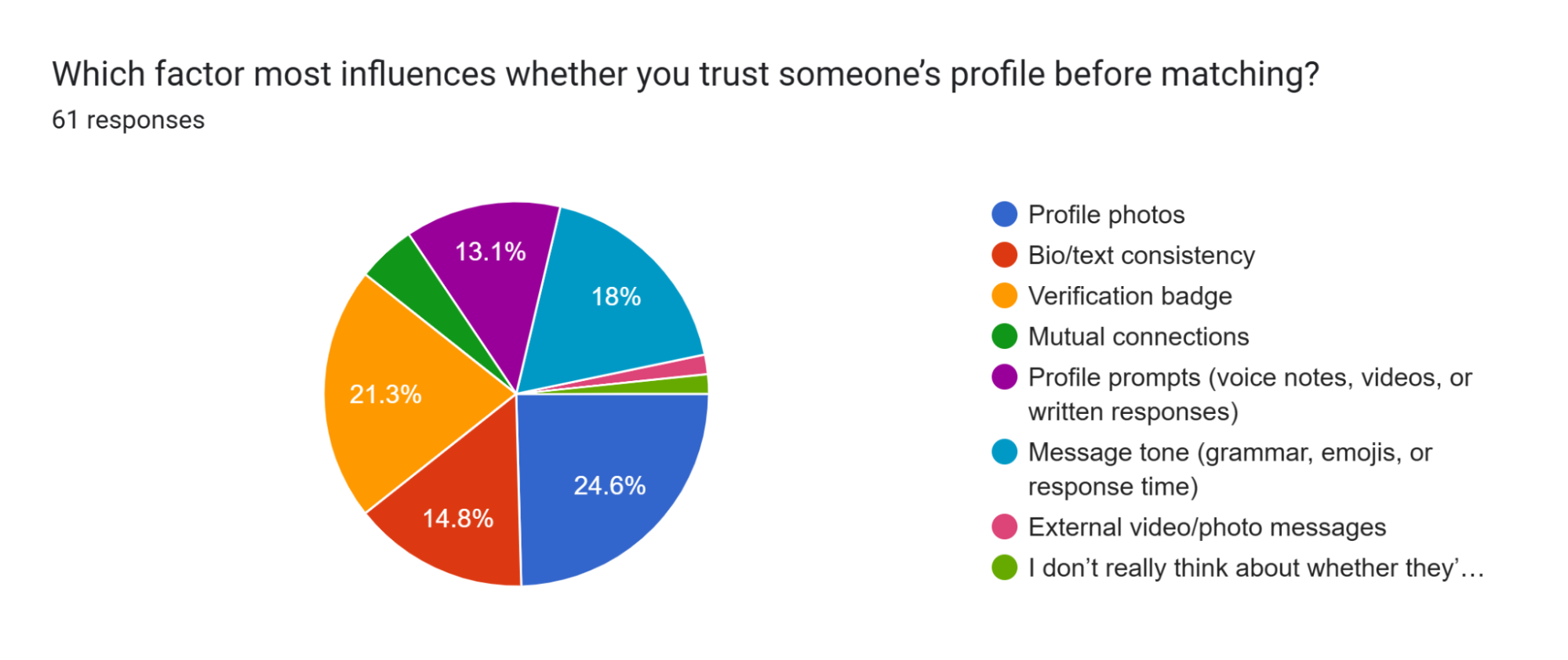
Genuine photos are a frontline promotion for a swipe.
When swiping to match, 24.6% of participants said that profile photos are the most influential signal of trust.
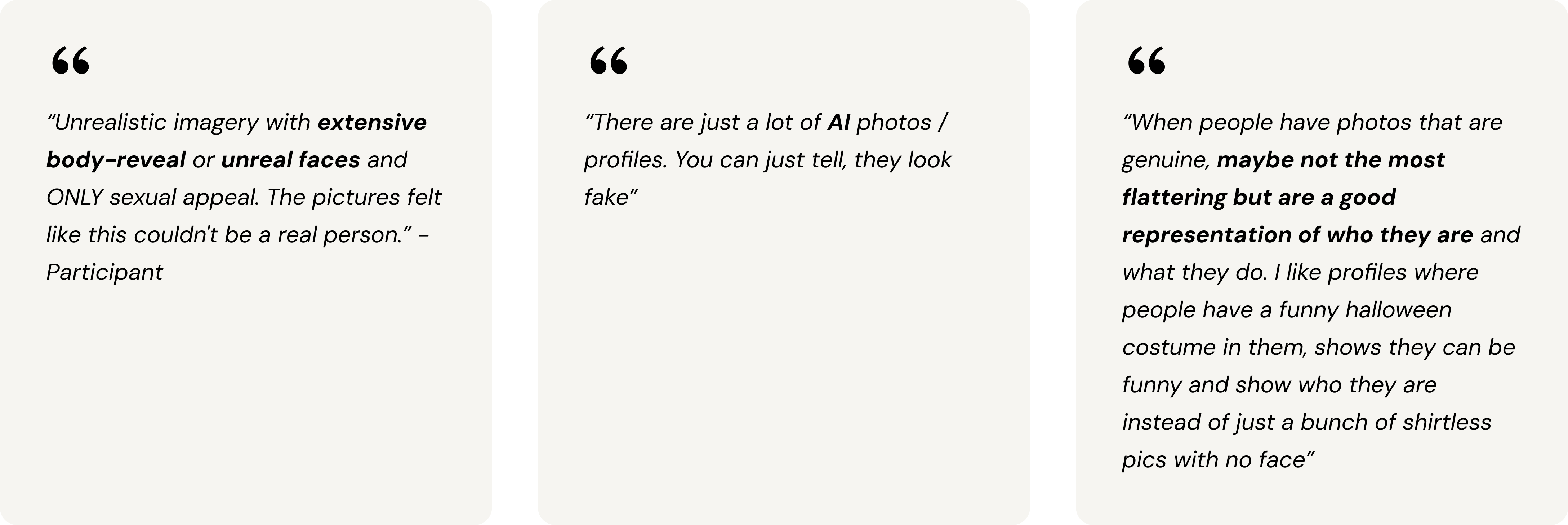
Using frequency-based text analysis, clear patterns emerged in how participants described fake versus trustworthy profiles.
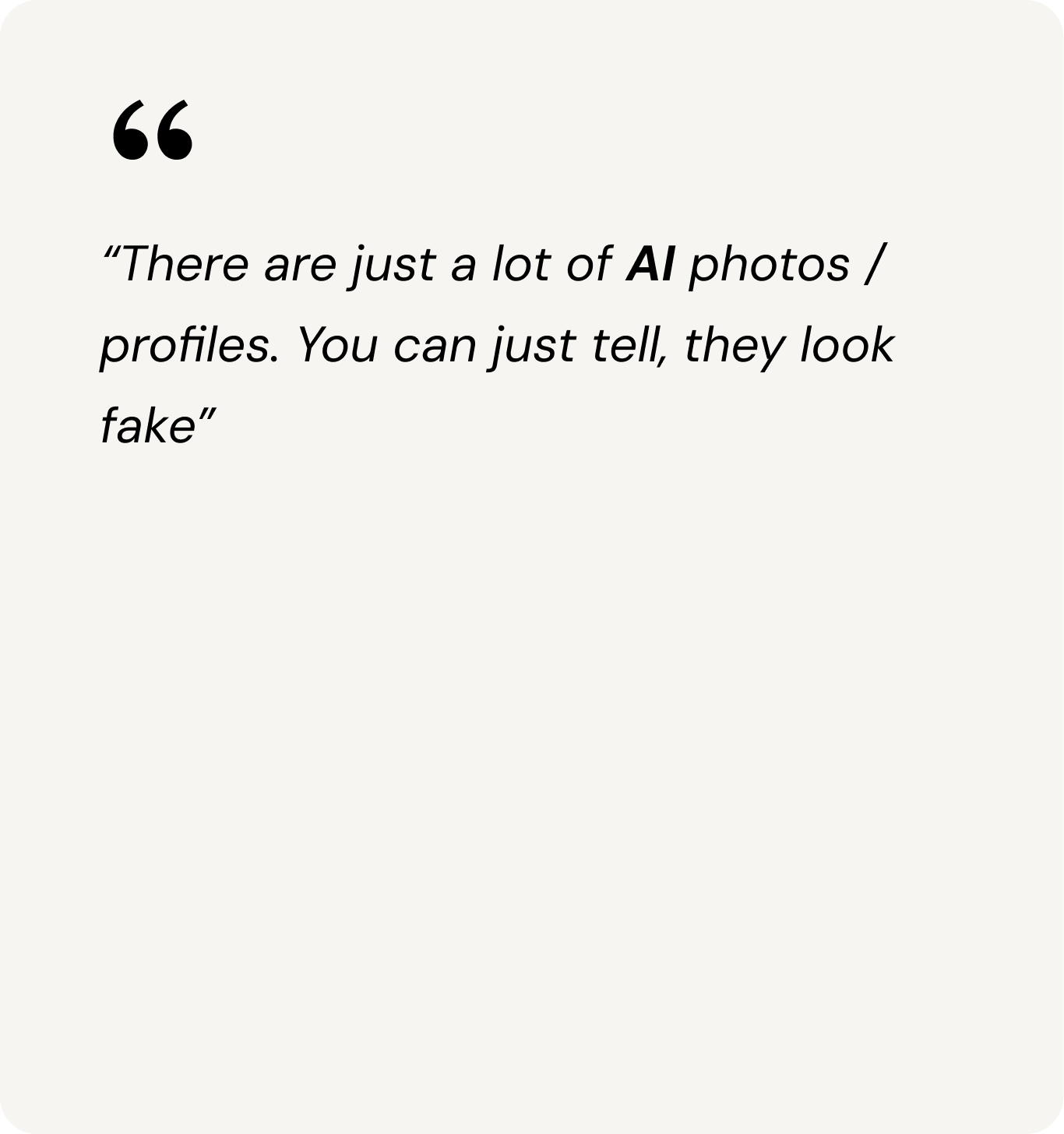
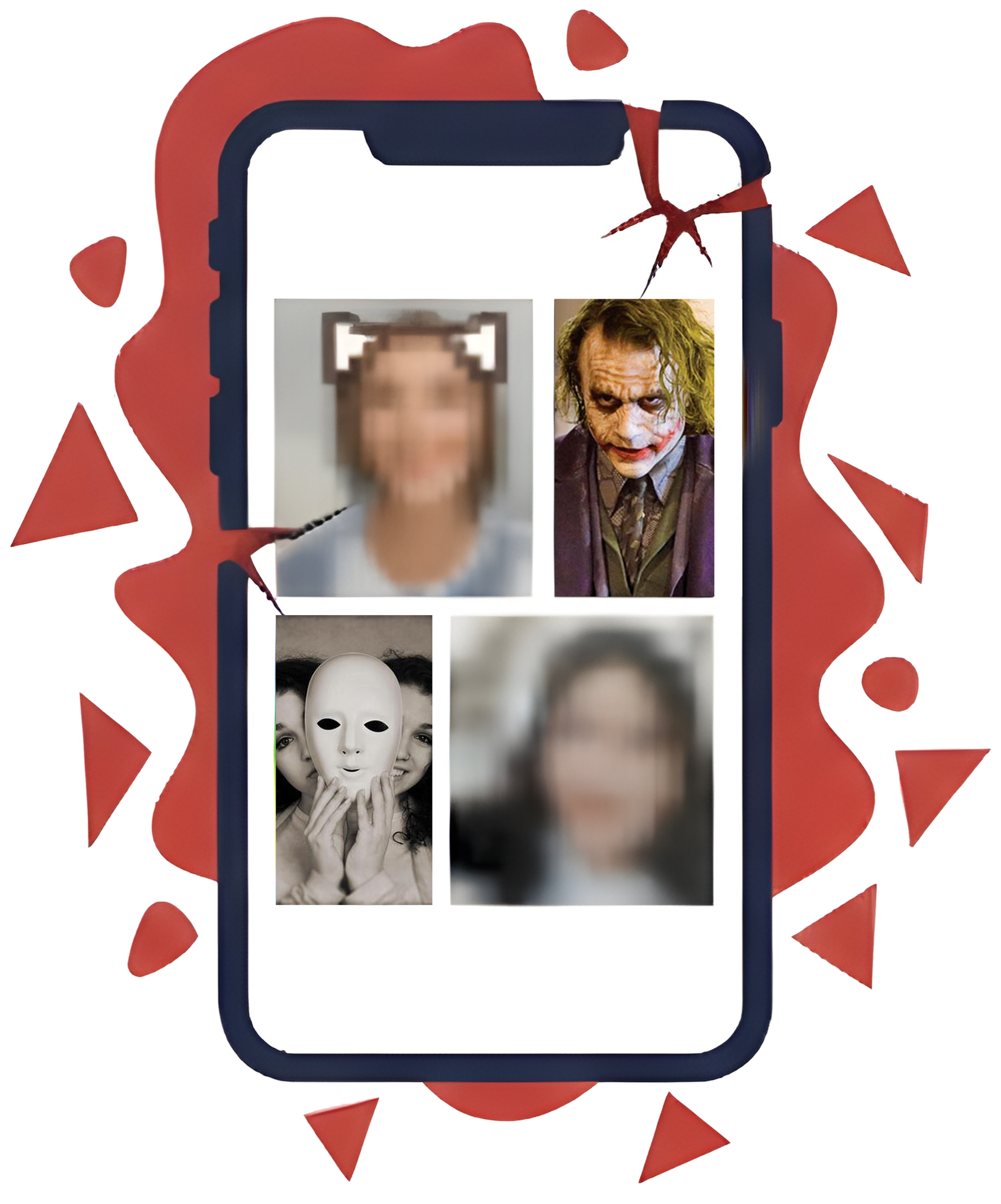
For fake profiles, the most common words were "pictures," "photos," and "AI," suggesting that participants associate fakeness with overly edited or unnatural images that feel artificial.
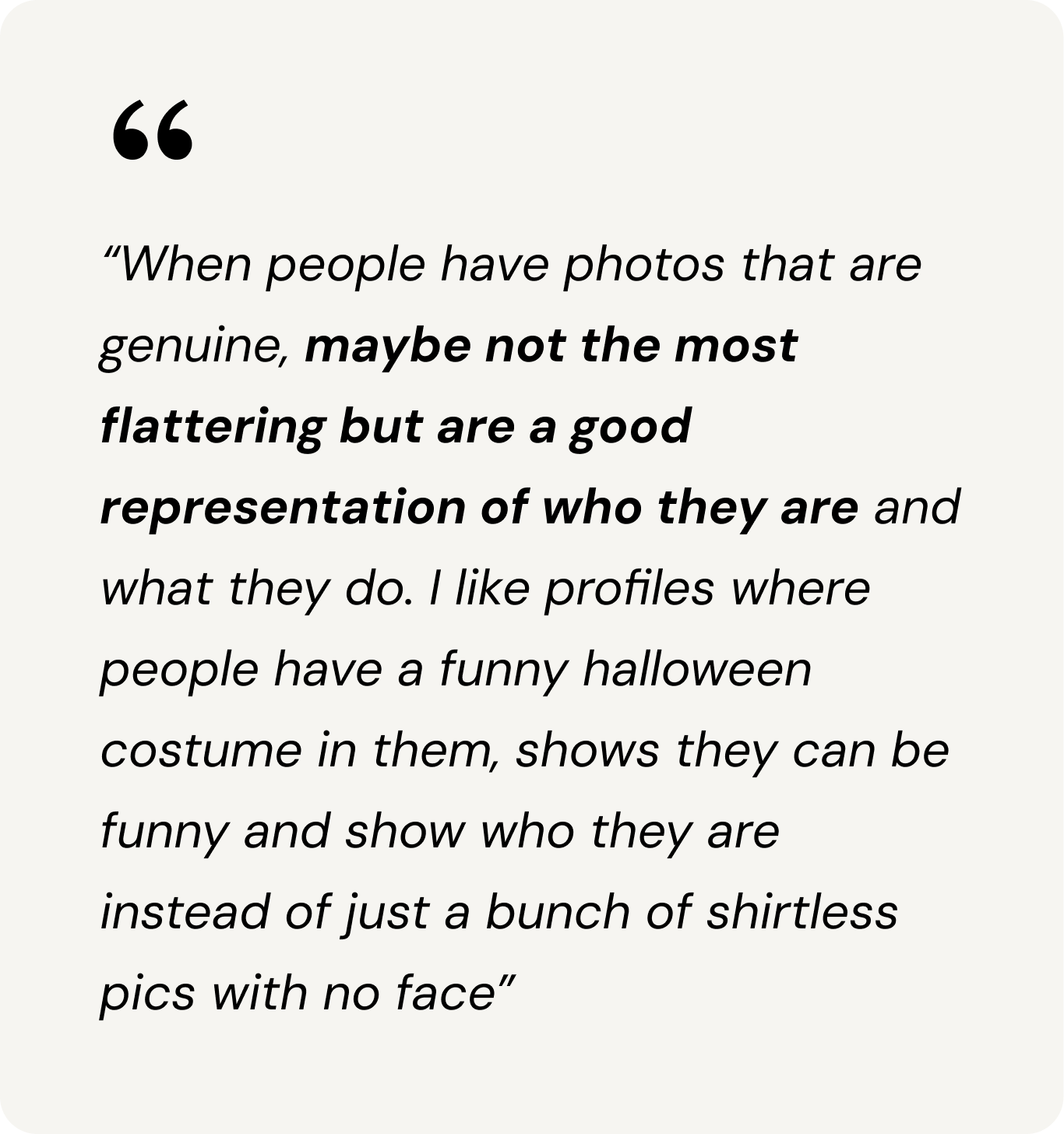
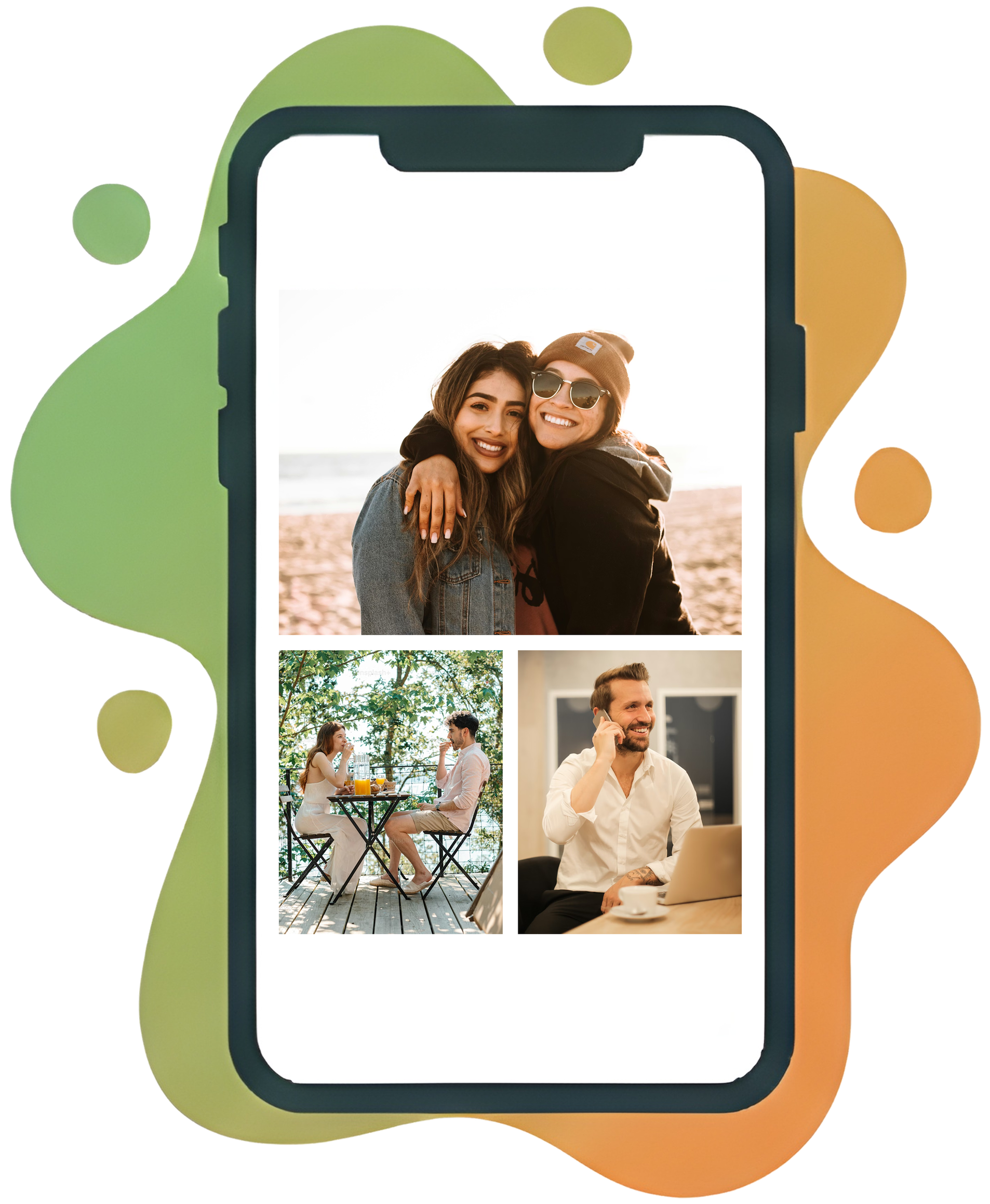
In contrast, trustworthy profiles were described as “photos,” “pictures,” and “people, ” highlighting that seeing friends, family, or authentic tidbits of someone’s life makes a profile feel real.
Together, these patterns suggest that photos matter, but it’s the presence of real people, not perfect images, that builds trust.
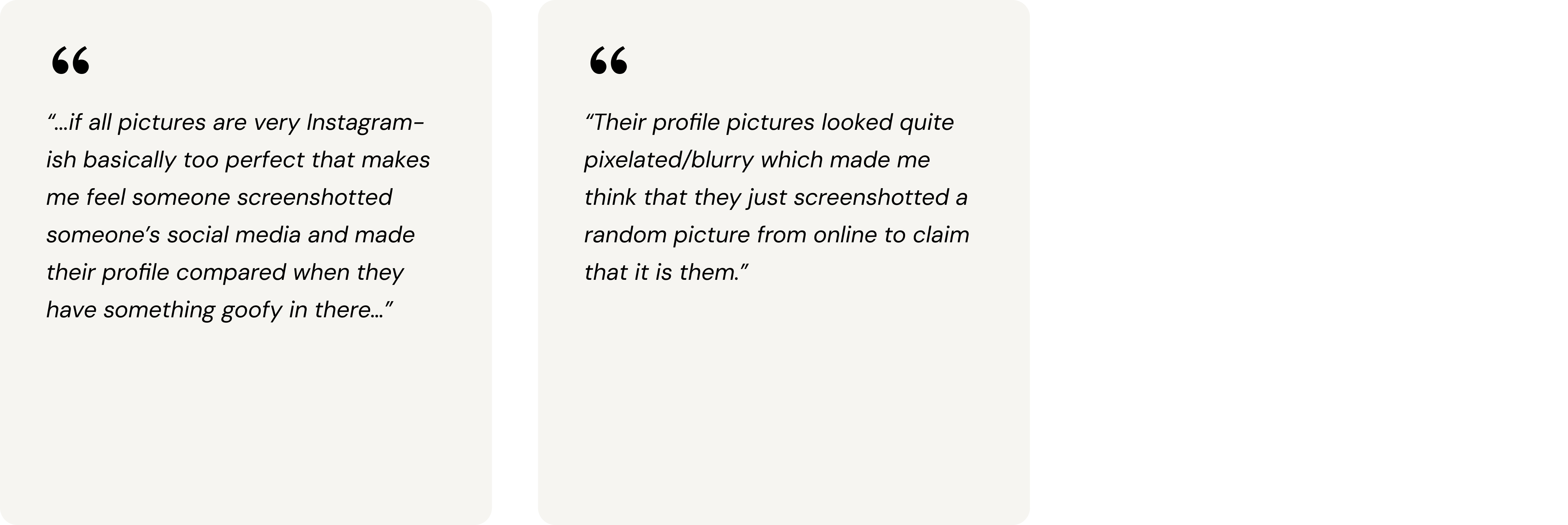
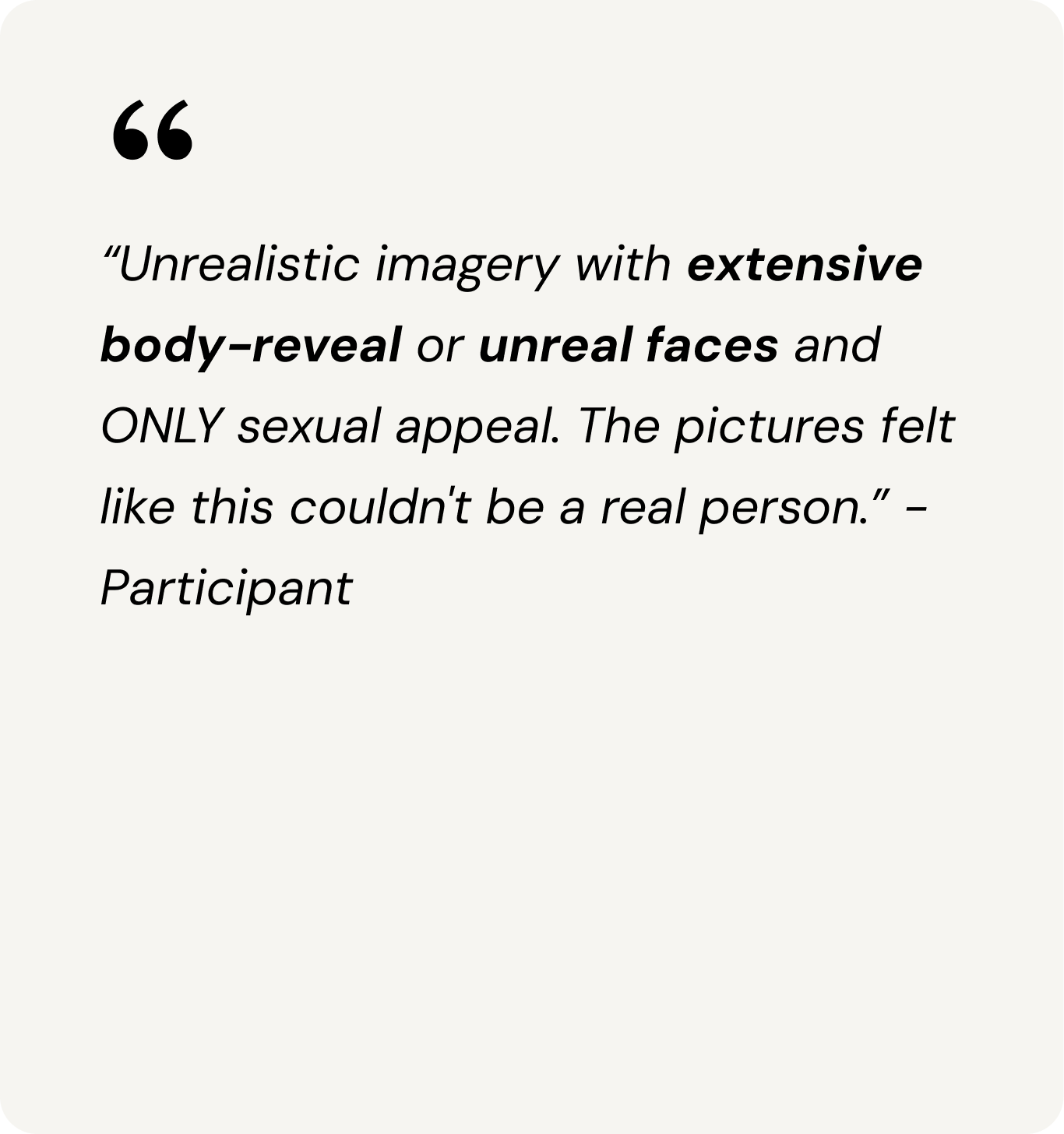
Participant quotes on how they perceive photos:
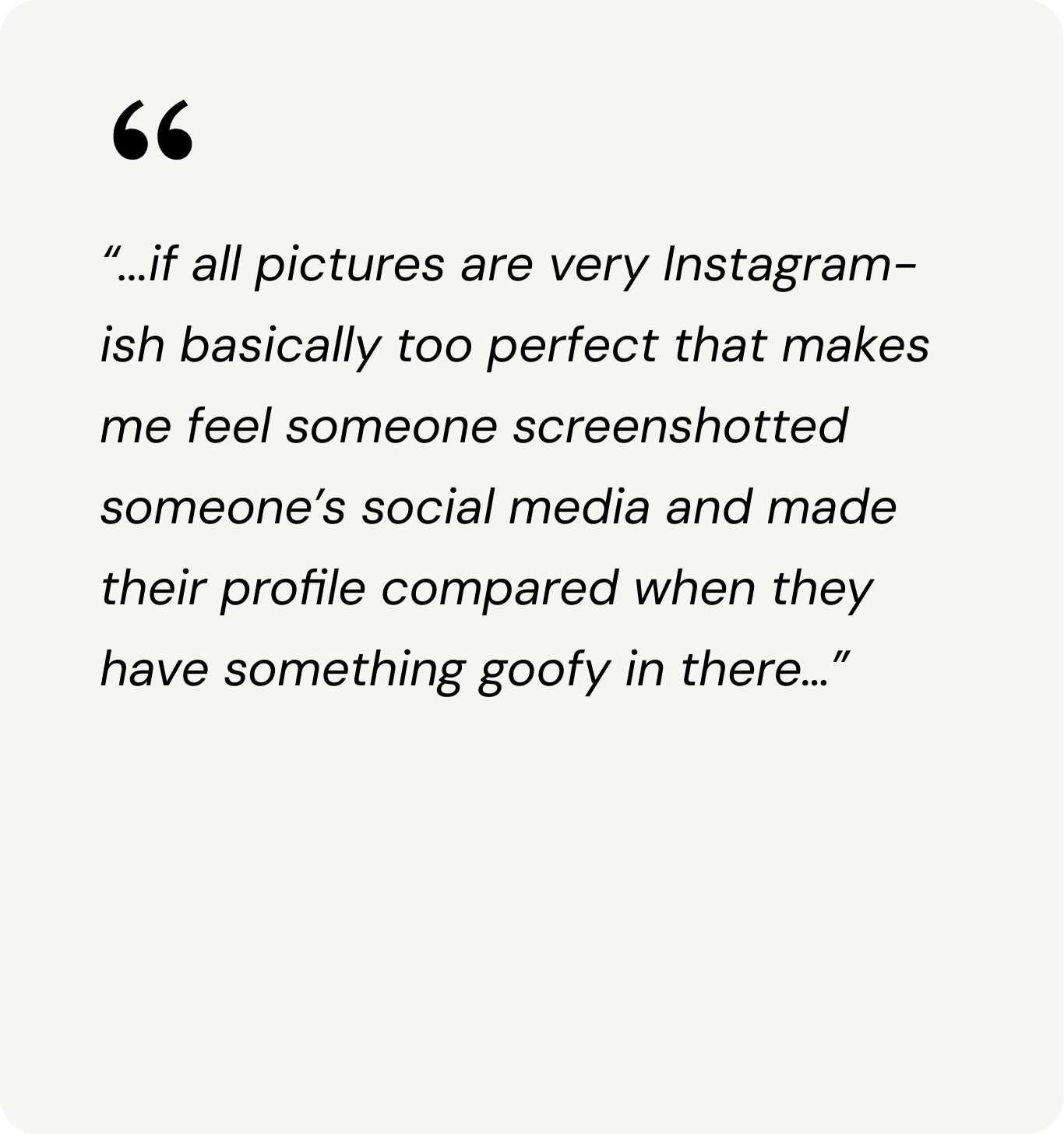
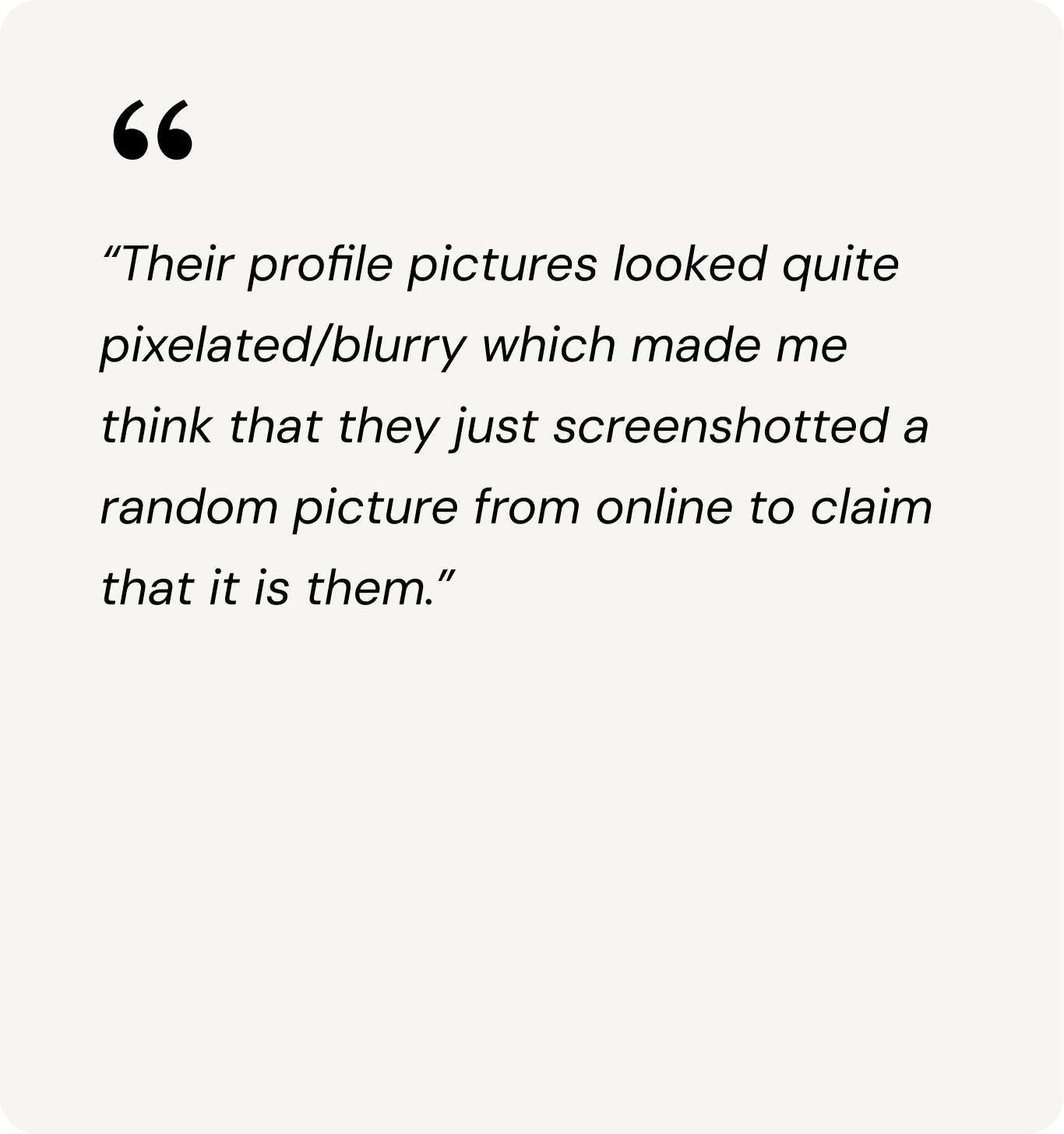
Trust is reinforced when profiles show social context.
Participants overwhelmingly reported that photos with family or friends signal trustworthiness.
Using topic modeling (Latent Dirichlet Allocation; LDA) analysis, I found that pictures with family, friends, and other people are perceived as strong signals of a trustworthy profile.
Top 5 recurring themes for a trustworthy profile |
|---|
Pictures |
Family |
Friends |
People |
Photos |

“...I think usually having one picture with family help as well or where they are in a group setting. Then if their family or friends look like good people it makes me think they lean good as well.”
“If men have a good mix of photos, such as pictures by themselves (clear pictures and not with them flipping off the camera) and with other friends and family that's a green flag for me…”

Takeaway
Visual cues play a foundational role in shaping trust on dating apps. Both quantitative and qualitative patterns show that participants anchor their judgments to what they see on a profile.

The Conversational Layer: What Makes Someone Feel Safe
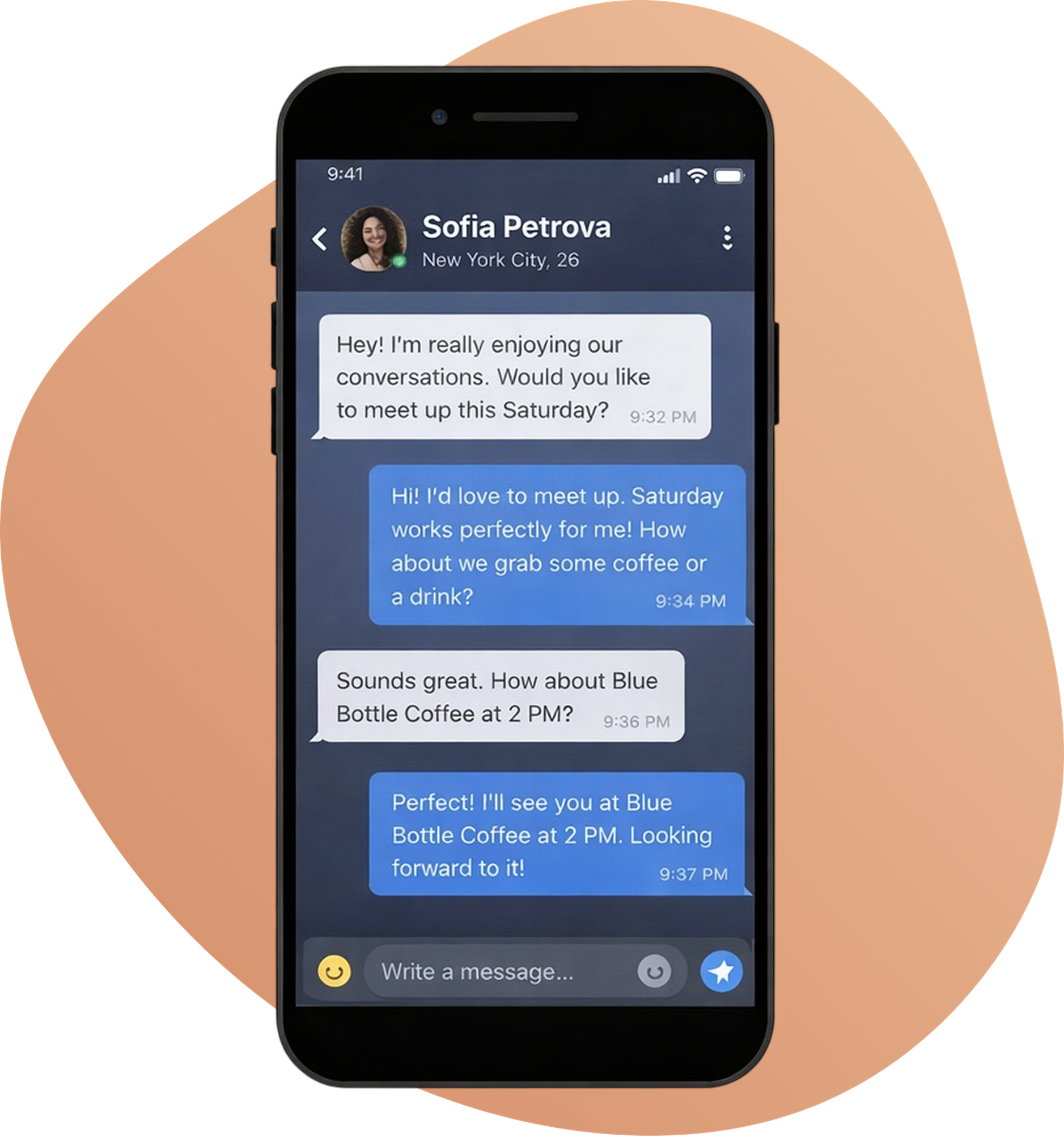
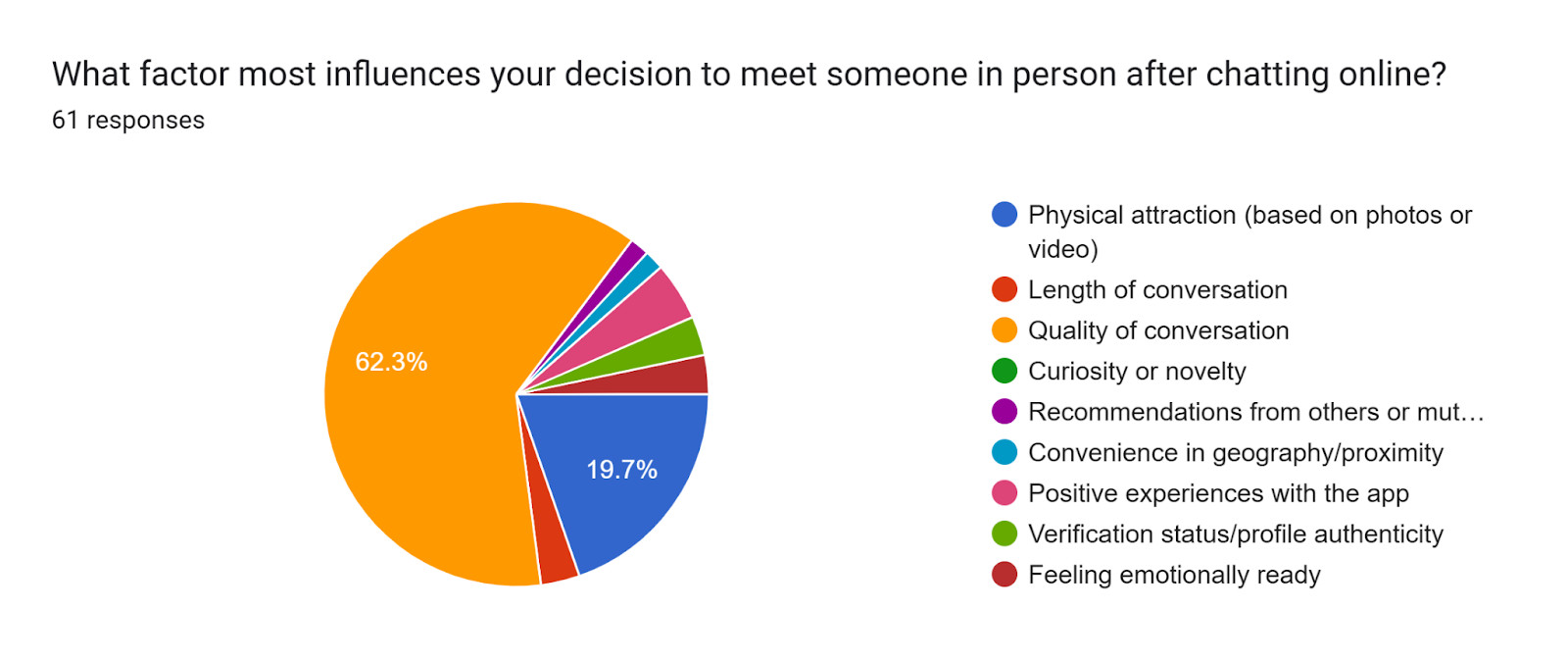
Conversation quality is the leading factor in meeting offline.
When deciding to meet in person, 62.3% of participants ranked the quality of the conversation as the determining factor towards transitioning off the apps.
What makes a conversation stand out?
These are the general themes I picked from participant responses:

Emotional vulnerability

Timely responsiveness
Reciprocal curiosity
Participant described trustworthy interactions as:
“Matching my humor”
“They admitted nervousness to me”
“...they would share more personal, stories”
Conversely, participants described interactions that felt uncertain as:
“They seemed to have the ‘right’ answer to every question that I asked. Or there was not reciprocity as far as learning more about each other.”
“Long conversation gaps”
“…I encountered a guy who was clearly just telling me what I wanted to hear, as opposed to what he actually felt. It was very discouraging.”
Cues of perceived trustworthiness
Participants constantly assess visual, behavioral, and conversational cues to determine whether someone feels safe and real enough to meet in person.
Here are some key cues I discovered based on my analysis.
Fake Profile
Trustworthy Profile
Visual Cues
Inconsistent photos
Heavy filters
Too polished
Behavioral Cues
Odd timing
Strange replies
Evasive answers
Visual Cues
Consistent photos
Natural look
Context-rich images
Behavioral Cues
Responsive
Stable communication
Effortful engagement
Conversational cues
Scripted convo
Vague prompts
Mismatched tone
Conversational Cues
Emotionally coherent
Conversation warmth
Clarity


Takeaway
Although swiping is visually driven, participants prioritized the relational experience in their conversations when deciding to meet in person.

The Alignment Layer: When Everything Matches or Doesn’t
Participants evaluate trust holistically.
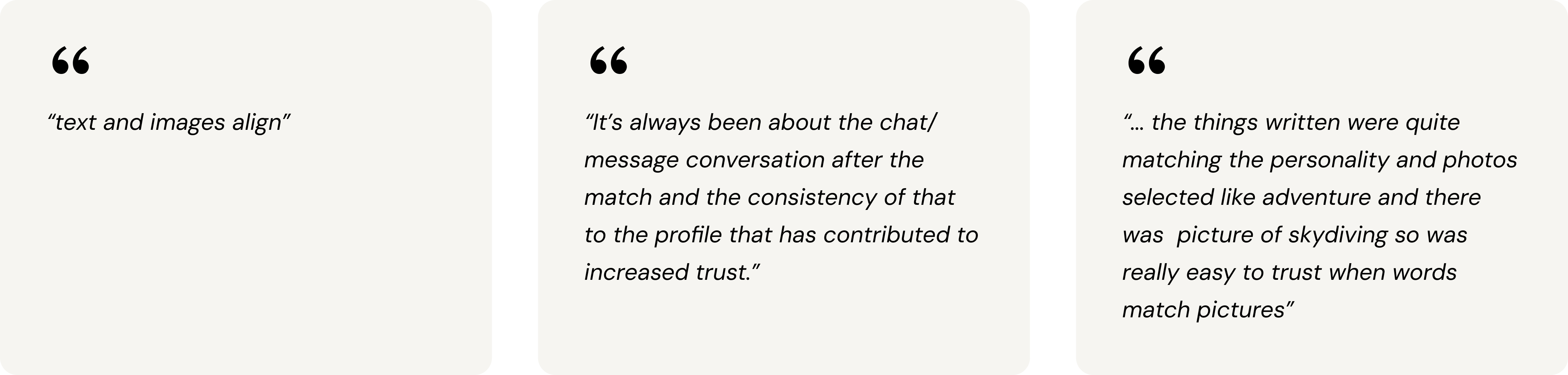
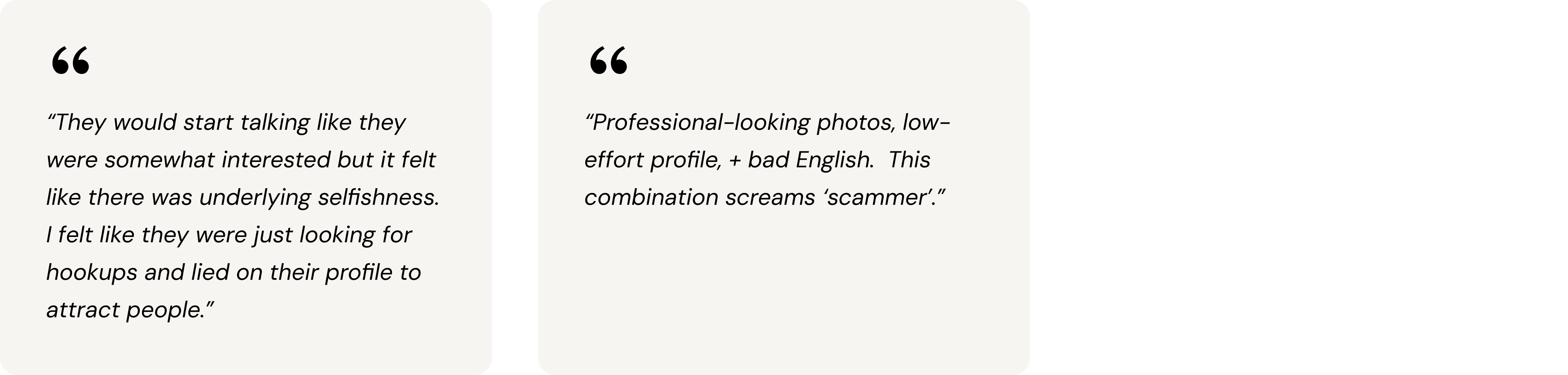
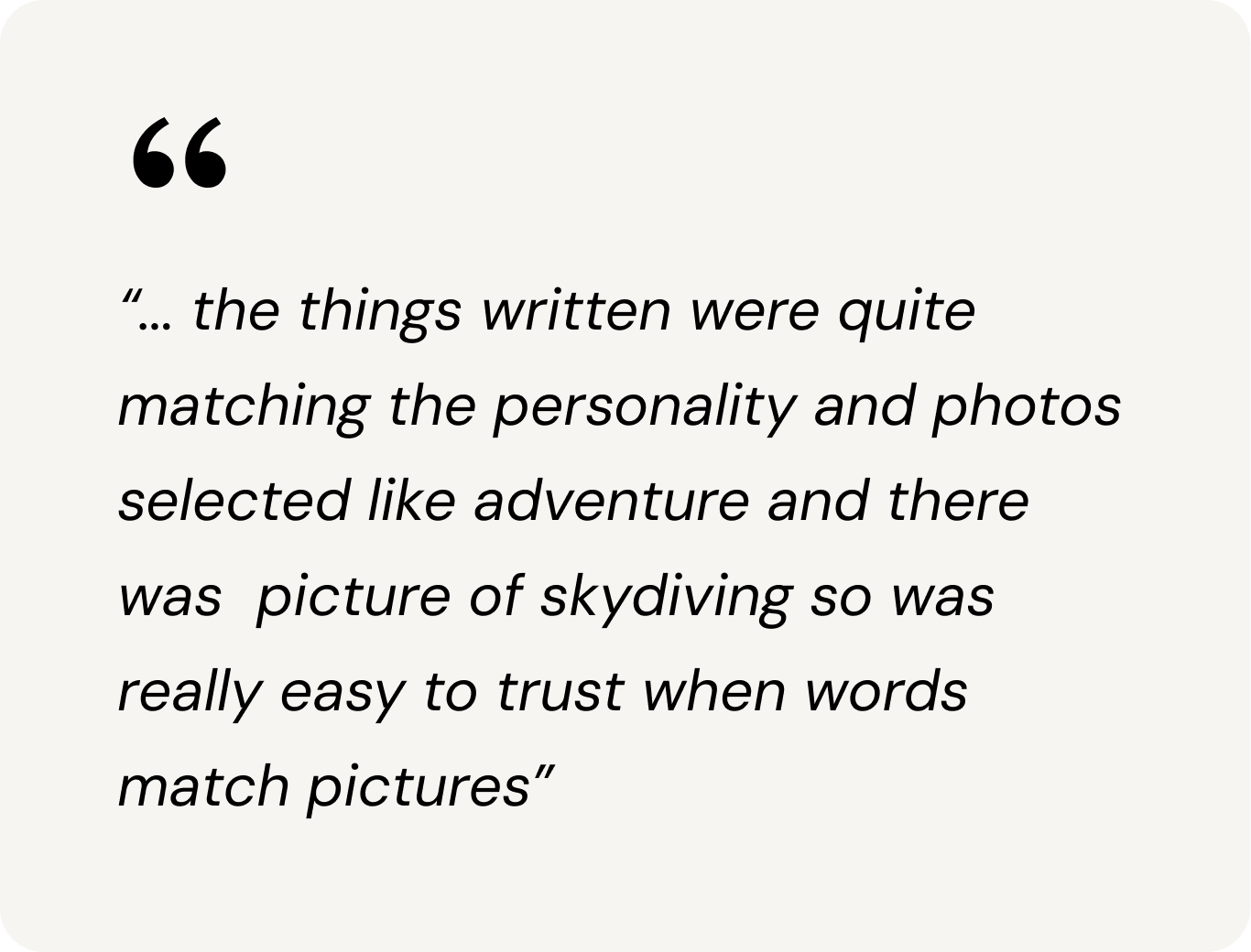
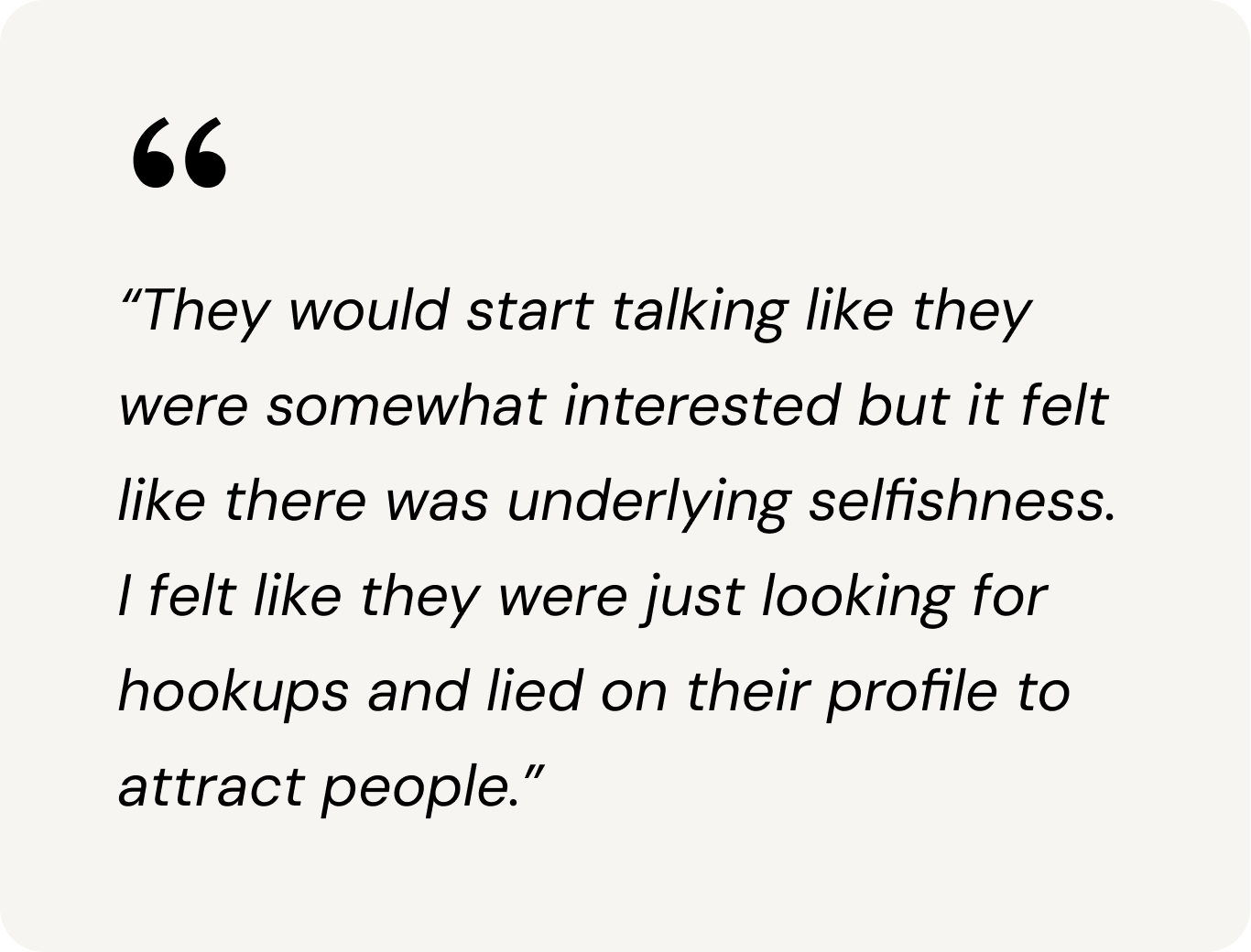
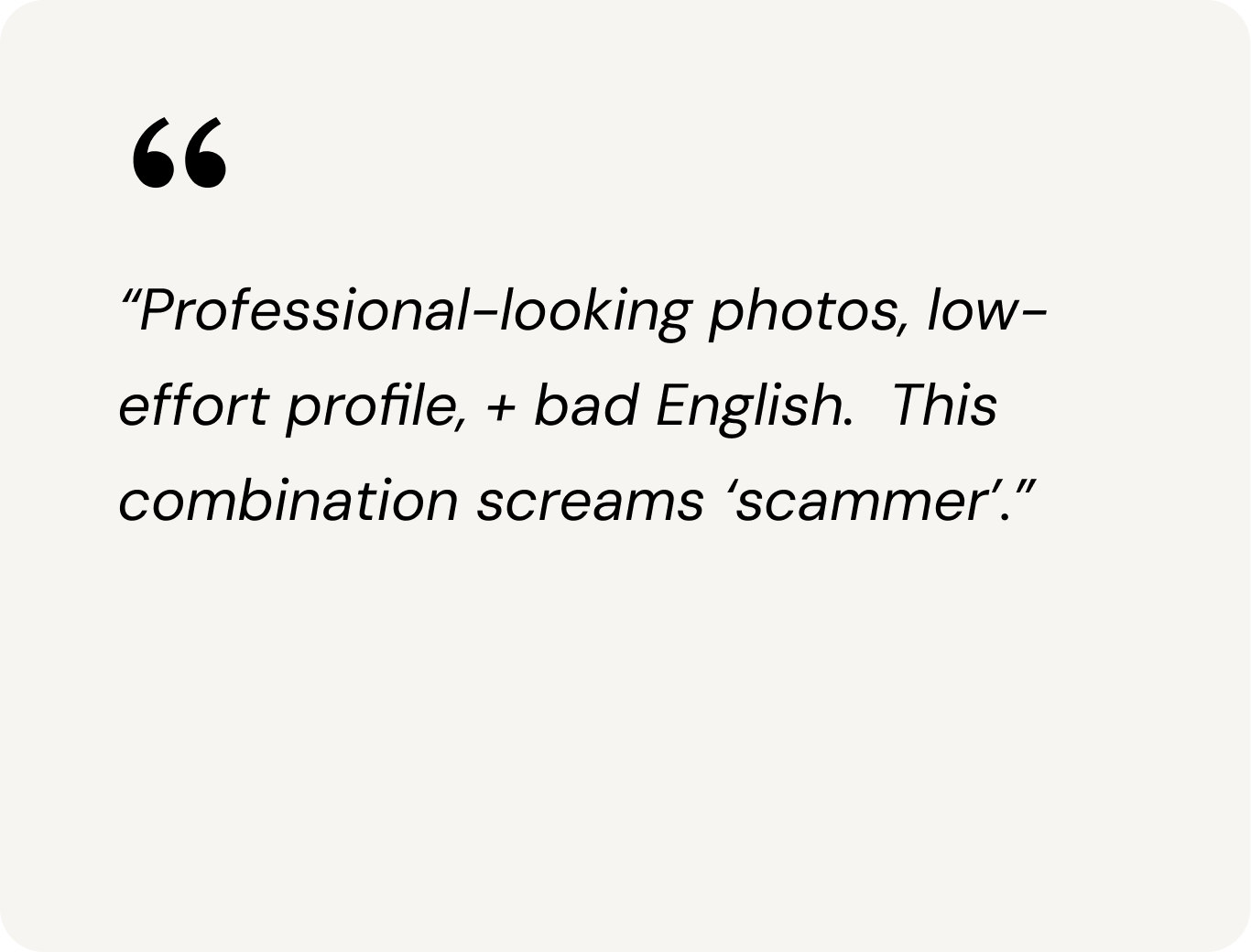
They considered the entire online experience from profile photos and prompt responses to conversation quality as a single, cohesive package.
Participant quotes that establish holistic integration:
Trustworthy profiles elicit predominantly positive emotional responses.
Sentiment analysis revealed distinct emotional patterns between trustworthy and fake profiles.
When describing fake profiles, participants used almost equal numbers of positive (32) and negative (30) word associations, suggesting emotional uncertainty.
Whereas trustworthy profiles elicited substantially more positive (62) than negative (8) word associations, indicating a high degree of emotional certainty and confidence in these profiles.
Negative Words | Positive Words | |
Fake | 30 | 32 |
Trustworthy Profile | 8 | 62 |
Takeaway
Consistency builds trust. When signals don’t align from profile swipe to meeting IRL, uncertainty can feel risky, making people less comfortable moving to the next step.
The Bottom Line
Authenticity and consistency instill a sense of trust.
Participants perceived profiles as more trustworthy when individuals on dating apps signalled authenticity visually, textually, and behaviorally. Interactions that feel real, offer more clarity in intentions and future predictions, ultimately bridge the gap from swiping to meeting IRL.
Recommendations for dating apps
Photos are central to building trust. Sharing tips on how to upload photos that are genuine (non-AI generated, low on effects, showing social context) can increase the trust of app users overall.
Guide users toward building a relational connection during the conversation stage using thoughtful, research-based prompting.
Trust formation is driven by behavioral cues more than verification. Guiding users to present a cohesive, aligned version of themselves on their profiles will achieve better dating outcomes.
My Next Study
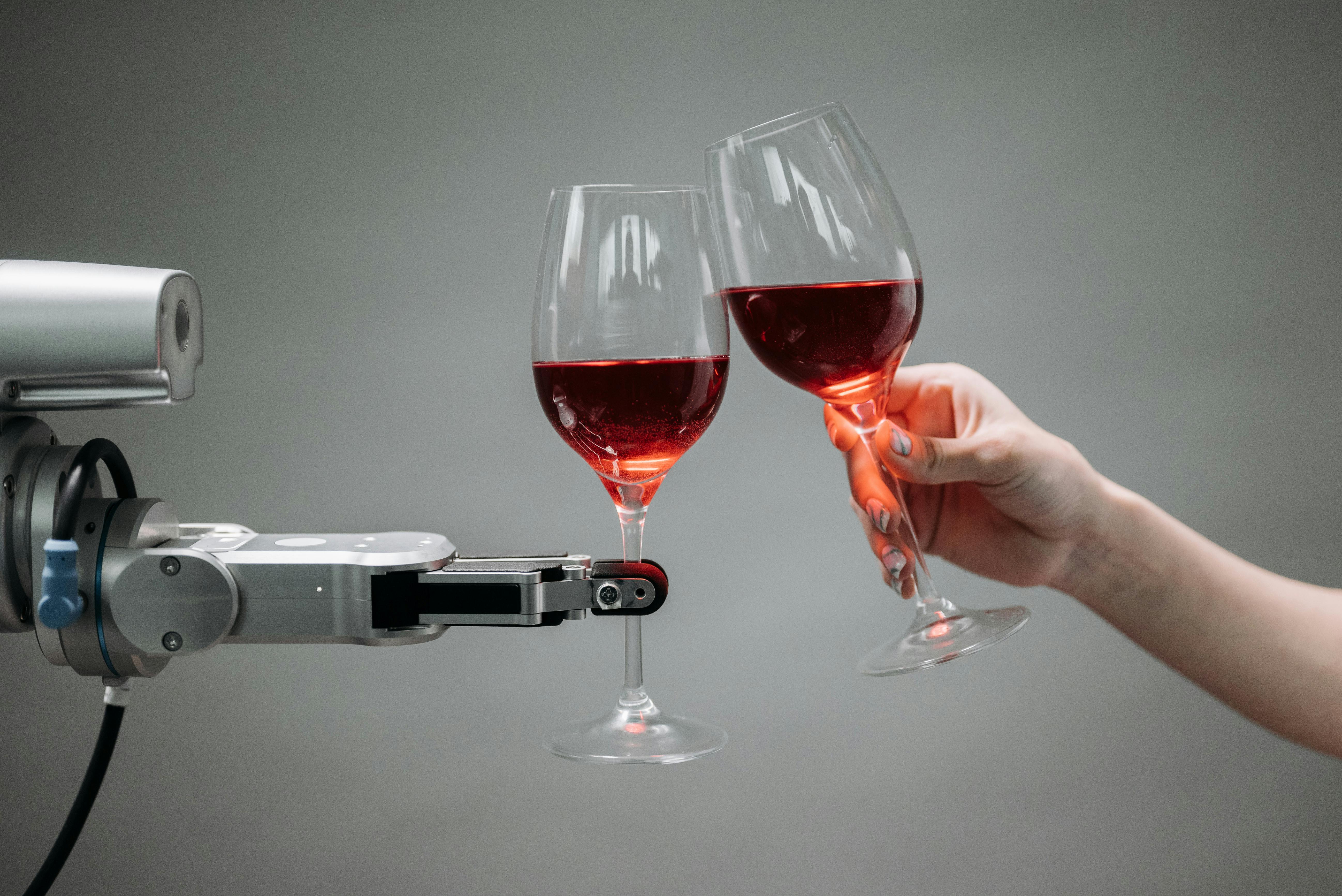
Hinge’s D.A.T.E. 2026 Report found that 60% of younger Gen Z daters are open to using AI as a second opinion or “virtual wingman.” As AI is increasingly integrated into the dating app experience, how does trust and authenticity translate in AI-mediated dating?
Downloadables and Research Materials
Note: Files are provided to demonstrate research rigor, transparency, and analytical workflow rather than for independent reuse. To balance transparency with participant privacy, select materials are publicly available, with additional documentation available upon request.
Study Instruments
Includes all measures collected for this study; select sections are analyzed in the present write-up. Additional analyses are forthcoming.
Data & Analysis
Cleaned/De-identified dataset - Available Upon Request
Sample R Analysis Scripts
Includes curated R scripts demonstrating quantitative and qualitative research workflows used in this study. Participant data intentionally excluded for privacy.
Analysis Outputs - Available Upon Request